
Occupational Therapy Blog
Reflexes Infants Have And Why They Are Important
When you think of the word reflex you might be thinking of that time you went to a doctor and they used a small rubber hammer to tap on your knee. This is one reflex, but there are also many others! Here we’ll talk about a couple reflexes your infant may have and why...
Improving Grasping and Handwriting/Pre-Handwritng Skills at Home
Improving Grasping and Handwriting/Pre-Handwritng Skills at Home A pincer grasp is very important, it’s what we use to pick up small objects, tie our shoelaces, and feed ourselves finger food. A pincer grasp involves using the pad of your thumb and pad of your index...

Games to Play with a Sensory Seeking Toddler
Do you have a sensory seeking toddler? Here are some games I play during therapy sessions as “sensory breaks” when needed or when transitioning between activities. I also instruct parents on how to play these games at home when their toddler needs a sensory break....
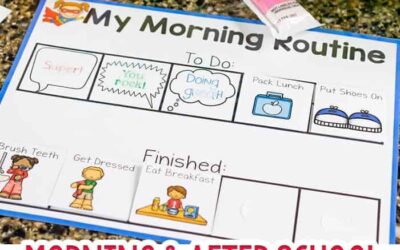
Transition Strategies: How to Help your Child Transition Between Tasks
Transitions can be tough for kids, especially kids with special needs. Here are a few tips and tricks to help make a transition go smoothly. Help your child know what’s coming: For younger kids, I like to use “first, then” language. This helps them understand two-step...
The Wilbarger Deep Pressure and Proprioceptive Technique (DPPT) Explained
Often after completing an Internet search for occupational therapy tools parents will ask me, what are those brushes for? Does my child need one? Those brushes are used for the Wilbarger Deep Pressure and Proprioceptive Technique (DPPT), formerly known as the...
Handling Meltdowns in Children with Special Needs
Tips for Parents and Caregivers If you have a child on the Autism Spectrum, ADHD, or similar special needs, you already know what a meltdown is like. Handling meltdowns is a major challenge for even the most seasoned parent. When I began to witness meltdowns in my...